
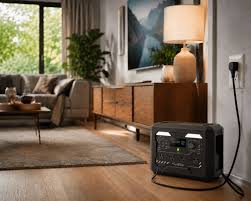
Power outages can happen unexpectedly, leaving homes and workplaces without electricity for hours. A portable power station such as the N1000 can provide a practical backup solution for essential devices, but understanding its runtime is important before relying N1000 power outage runtime on it during an outage. Runtime depends on the device being powered, its energy consumption, the power station’s usable capacity, and conversion losses.
Whether you need to keep communication equipment running, charge electronics, maintain lighting, or operate small appliances, knowing how to estimate runtime helps you make better use of your backup power.
Understanding N1000 Power Capacity
The first factor to consider is the N1000’s battery capacity. Portable power stations store energy in watt-hours (Wh). This measurement indicates approximately how much energy the battery can provide over time.
For example, a device that continuously consumes 100 watts would theoretically use 100 watt-hours in one hour. A device consuming 50 watts would use about 50 watt-hours per hour.
However, actual runtime is rarely equal to the simple battery-capacity calculation. Power stations experience energy losses through their inverter and other internal components, especially when using AC outlets. Because of this, the usable energy available to connected devices is lower than the battery’s rated capacity.
A basic runtime estimate can be calculated as:
Runtime = Usable Battery Capacity ÷ Device Power Consumption
For more realistic planning, users should account for conversion efficiency and other power losses.
How Long Can the N1000 Run Essential Devices?
The answer depends heavily on what you connect to the power station. Low-power electronics can operate for considerably longer than high-consumption appliances.
Smartphones and Tablets
Smartphones are among the easiest devices to keep powered during an outage. Charging a phone generally requires relatively little energy compared with larger household appliances.
Because a portable power station contains substantially more stored energy than a typical smartphone battery, it can potentially recharge phones many times before needing to be recharged itself.
Tablets require more energy than phones, but they are still relatively efficient. This makes mobile devices ideal candidates for emergency backup power.
Wi-Fi Routers and Modems
Maintaining internet connectivity can be important during an outage, particularly when people need to communicate, work remotely, or receive emergency information.
A typical router and modem combination may consume only a modest amount of power. If the N1000 is dedicated primarily to networking equipment, it can potentially keep the connection available for an extended period.
Actual runtime will depend on the specific router, modem, network equipment, and whether additional devices are connected.
LED Lights
LED lighting is another excellent application for portable backup power. Modern LED bulbs generally consume much less electricity than traditional incandescent bulbs.
For example, several low-wattage LED lights can provide useful illumination while placing a relatively small load on the N1000. This makes it possible to maintain essential lighting without rapidly draining the battery.
During a prolonged outage, using only the lights that are needed can extend runtime even further.
Laptops
Laptops typically consume more power than smartphones and networking equipment, but their energy requirements can vary significantly.
A laptop performing basic tasks such as writing documents or browsing the web may use considerably less electricity than one running demanding software. Screen brightness, processor activity, connected accessories, and charging behavior can all affect consumption.
For emergency work, reducing screen brightness and closing unnecessary applications can help minimize energy use.
Running Small Appliances
Portable power stations can also be used for selected small household appliances, although these devices generally consume more energy than electronics.
Small fans, for example, may be suitable for backup operation depending on their wattage. A lower-power fan can run substantially longer than a high-powered model.
Televisions are another possible use. A modern energy-efficient television may consume a moderate amount of electricity, making it practical for temporary entertainment or receiving emergency news. However, combining a television with several other devices will increase total energy consumption.
Users should check the wattage label or manufacturer’s specifications before connecting any appliance.
High-Power Appliances and Runtime
High-power appliances can drain a portable power station much faster. Devices such as heaters, electric kettles, cooking appliances, hair dryers, and large refrigeration equipment can require hundreds or even thousands of watts.
This does not necessarily mean that every high-power appliance is unsuitable, but it means runtime can be significantly shorter. Some appliances may also have startup power requirements that are higher than their normal operating wattage.
Before connecting such equipment, check both the continuous power rating and the peak or surge capability of the N1000. The power station must be capable of handling the appliance’s startup requirements.
Why Actual Runtime Differs From Estimates
A simple watt-hour calculation provides a useful starting point, but several factors can change the actual result.
Inverter Efficiency
When using an AC outlet, the battery’s stored DC energy must be converted into AC electricity. This conversion is not perfectly efficient, so some energy is lost during the process.
Device Efficiency
Two devices with similar functions may consume different amounts of electricity. For example, one refrigerator may use substantially more energy than another because of differences in size, insulation, age, and efficiency.
Standby Consumption
The N1000 itself uses some energy to operate its internal electronics. Displays, cooling systems, inverters, and other components can contribute to energy consumption.
Battery Condition and Temperature
Battery performance can vary depending on operating conditions. Extreme temperatures and battery age may affect available capacity and overall performance.
For these reasons, runtime figures should be treated as estimates rather than guaranteed operating times.
How to Extend N1000 Runtime During an Outage
Efficient energy management can make a major difference during a long power interruption.
Start by identifying essential devices. Communication equipment, lighting, medical equipment where appropriate, and other critical electronics should receive priority.
Turn off unnecessary devices rather than leaving them connected. Even small loads can add up over several hours.
Use energy-efficient appliances whenever possible. LED lights, efficient fans, and modern electronics can provide useful functionality while consuming less electricity.
You can also avoid running multiple high-power appliances simultaneously. If a particular appliance is necessary, operate it for the shortest practical period instead of leaving it running continuously.
Another useful strategy is to monitor the N1000’s display or available power information. Keeping track of remaining battery capacity allows you to adjust your energy use before the battery becomes critically low.
Calculating Your Expected Runtime
To estimate how long the N1000 could operate your equipment, make a list of the devices you want to power and find their wattage.
For example, suppose your backup setup includes a router consuming 10 watts, an LED light consuming 10 watts, and a laptop using approximately 50 watts. Together, these devices would require around 70 watts while operating simultaneously.
You could then divide the N1000’s usable energy by the combined load and adjust the result for expected efficiency losses.
If you operate only the router and light most of the time and use the laptop intermittently, total energy consumption will be lower than running all three devices continuously. This demonstrates why actual usage patterns matter when estimating runtime.
Planning for Extended Power Outages
The N1000 can be most useful when it is treated as part of a broader outage plan. Before an emergency occurs, determine which devices are genuinely essential and calculate their approximate power requirements.
Keep charging cables organized and make sure frequently needed electronics are compatible with the available outputs. It is also useful to recharge the power station before severe weather or other situations where outages are possible.
If you expect a long outage, conserve energy from the beginning rather than waiting until the battery level becomes low. A carefully managed power station can provide useful backup electricity for communication, lighting, and essential electronics over an extended period.
Final Thoughts
The N1000’s power outage runtime depends on the total electrical load and how efficiently the stored energy is used. Low-power devices such as smartphones, LED lights, routers, and laptops can generally make efficient use of portable backup power, while high-wattage appliances can consume the battery much more quickly.
The best way to estimate runtime is to check the wattage of every device you intend to use, calculate the combined load, and allow for normal energy losses. By prioritizing essential equipment, reducing unnecessary consumption, and monitoring battery levels, users can make their N1000 backup power system more effective when the electricity goes out.